People often see the mind and body as two distinct things, but in fact they’re intrinsically linked. This means that it’s impossible to have a healthy body if you don’t have a healthy mind. Here are just a few of the ways in which your psychology can affect your physiology. This guest post from Lloyds Pharmacy discusses the effect of psychology on your sex life, stress and anxiety. [Read more…]
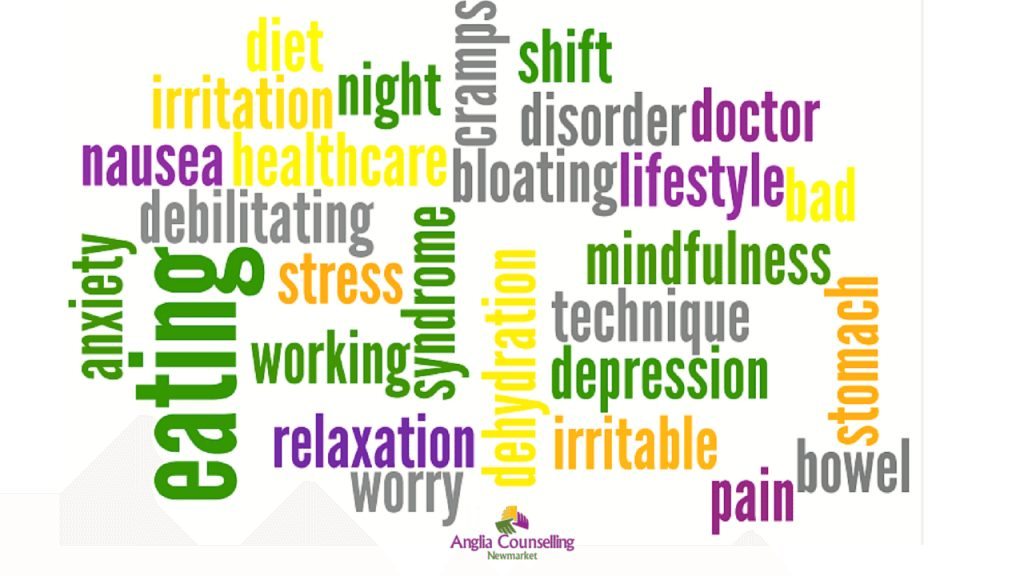
Anyone who suffers with the symptoms of Irritable Bowel Syndrome (IBS) knows how debilitating this condition can be. Read on to learn more about the symptoms, and what has removed IBS from MY life.
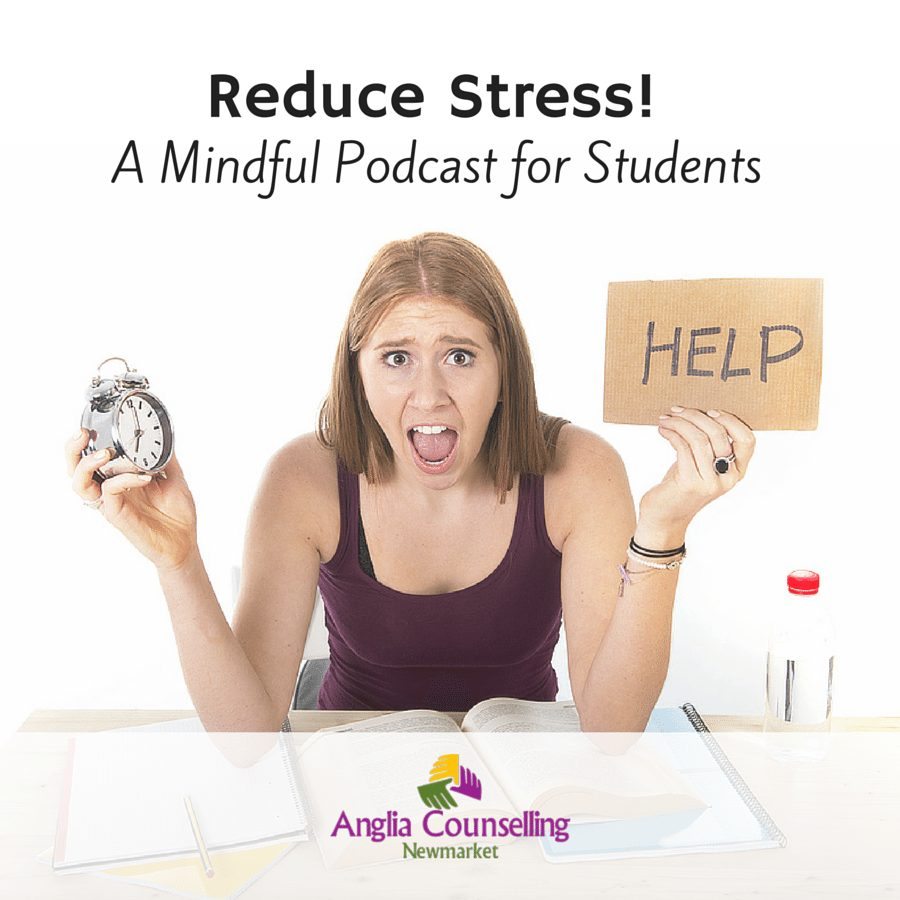
Studying, wherever or whatever the educational environment, is nothing new yet the pressures today have arguably never been so intense. So how CAN WE reduce the associated stress, anxiety, depression and other turbulent symptoms before they become embedded and define our lives?
We cannot rely on others for our happiness, we have a choice to own some accountability!
Taking Responsibility
Meditation is one important way we can reduce and remove stress, replacing it with a dose of inner peace. However, it can be a challenge to meditate without a guide. Guided meditations literally walk you through and help you find a calm and peaceful state, one step at a time. I’ve created something here for you to complement this post.
Take just 13 minutes to find some peace and become more grounded. This will enable you to get the day off to the best start, to re-set yourself during the day, or of particular benefit, last thing at night to aid with sleep. (Best listened to via earphones, click the player below.)
Top 10 Tips to Reduce Stress
1. Get more Productive & Focused – Studying and trying to focus for longer periods without a break increases the time taken to absorb information. Get away from the study area and practise a few minutes (or more) of being mindful. Use a breathing exercise and some centering thoughts before an exam – to focus just on one question at a time, not the outcome!
2. Grab Regular Breaks – Taking breaks each hour will increase your performance and allow the brain to absorb and ‘sort’ information already received. Set a timer to nudge you!
3. Get Playful – Manage fatigue by scheduling ‘play-time’ as well as rest or other down-time. Seven hours’ restful sleep is sufficient for many of us, despite the belief we might need Twelve!
4. Stay Hydrated – Avoid de-hydration if you want a clearer mind and to reduce the incidence of headache (dehydration being a common cause of headaches).
5. Alcohol – Another major contributory factor to dehydration is alcohol. Clearly downtime is often going to include alcohol consumption so do make sure you replace the elevated loss of vital fluids and electrolytes after the party! Do expect less optimal performance for that exam the morning after alcohol!
6. Eye strain – Look after your eyes, this is another limiting factor for some of us. I suffer dreadfully if I don’t take breaks to rest my eyes. Do make sure you’re on top of your eye health exams.
7. Exercise – Whether it’s simply 30 minutes per day, exercise such as walking, taking in the environment, swimming, going to the gym or other low / high aerobic impact activity, all will reduce the effects of anxiety and depression and provide a natural, healthy high.
8. Socialise – It can become too easy to become ‘hermit’ like and ‘veg out’ then study and ‘veg out’ again, losing touch with others. Try to stay connected. We unconsciously learn to gain understanding when others are feeling and thinking how we are – facing challenges and doubts.
9. Eat Healthily – Our fast-food friends make it all too easy to grab some junk food – and now and again, why not indulge? But our moods and foods are very much intertwined so, if you want optimal performance, look after your physical house with foods that make you feel good, and think well.
10. Perspectives – Much of our anxiety is around perceptions and cognitions. If we can come to our breath and body by way of a regular daily practise, we can retain a more realistic sense of our reality in this moment. Spending study and down-time ruminating over the potential for success or ‘failure’ (expectations not being met), serves only to distract you from what you are supposed to be doing!
I hope this goes some way to providing a measure of what can be possible while we attempt to reach our goals, and to live more optimally. For more advice via Skype or in-person, do call or write to me.
I’ll be creating more guided meditations in due course. If you enjoyed listening to today’s podcast, why not sign up to receive each one FREE, together with my fortnightly posts?
Recent information from the HSE (Health and Safety Executive) shows that there are around 526,000 cases of work-related stress annually in the UK. Employees most likely affected by stress in the workplace are based in health and social care, education and public administration, all of which have their own demands. [Read more…]
I am so very grateful to Tim who has become our resident guest post author on matters ’emotional well-being’ within some of the societal confines of being gay. [Read more…]
Following up on 10 Signs You’re Reaching Burnout, covering the topic of stress and burnout explores the latter and even more sinister effects of mental and physical burnout – along with potential strategies for a healthier way of living. [Read more…]
Anxiety is a natural feature of our lives, unless it becomes Intrusive and consistent! Prolonged anxiety can lead to an increase in unhealthy physical and emotional states – which can eventually be more resistant to change, and may cause us longer term harm.
“If only I could get a full night of great quality sleep.” Something I hear from clients on a very regular basis. Sleeping disorders can affect as many as 7/10 adults, due, at least in part, to anxiety related thought patterns.
Does anxiety keep knocking on the door of your life and have you tried opening the door?
When we stop trying to push back the discomfort of anxious thoughts, and open up to possibilities around where they may originate from, and what they are associating with today, we can find they become less impactful, resolving even to a manageable level. This is important for a number of reasons: [Read more…]
Manage Cookie Consent
We use cookies to optimise our website and our service.
Functional
Always active
The technical storage or access is strictly necessary for the legitimate purpose of enabling the use of a specific service explicitly requested by the subscriber or user, or for the sole purpose of carrying out the transmission of a communication over an electronic communications network.
Preferences
The technical storage or access is necessary for the legitimate purpose of storing preferences that are not requested by the subscriber or user.
Statistics
The technical storage or access that is used exclusively for statistical purposes.The technical storage or access that is used exclusively for anonymous statistical purposes. Without a subpoena, voluntary compliance on the part of your Internet Service Provider, or additional records from a third party, information stored or retrieved for this purpose alone cannot usually be used to identify you.
Marketing
The technical storage or access is required to create user profiles to send advertising, or to track the user on a website or across several websites for similar marketing purposes.